


Intro: Loneliness is not the end of connection; it is the beginning of self-truth.
1. The Phase That Arrives Quietly
The loneliest phase of life does not come with warnings. There is no announcement, no dramatic event that signals its arrival. One day you simply notice that things feel different. Conversations feel repetitive. Social gatherings feel draining. Even people you once felt deeply connected to now feel distant.
Outwardly, life looks fine. You are functioning. You are doing what is expected. But internally, something feels unsettled. This confusion is what makes the phase so difficult. There is no obvious problem to fix, yet there is a constant sense that something is missing.
Most people panic here. They try to force excitement, relationships, or noise back into their lives. But this phase is not asking for distraction. It is asking for attention.
2. Why Loneliness Appears During Growth
Loneliness often appears when your inner world evolves faster than your outer world. Your thoughts mature, your values sharpen, and your tolerance for superficiality decreases. But your environment remains the same.
This mismatch creates distance. You feel disconnected not because you dislike people, but because you no longer resonate with the same patterns. Growth creates space, and space feels lonely before it feels liberating.
This phase is not a sign that something is wrong with you. It is proof that something is changing within you.
3. The Difference Between Loneliness and Emptiness
Loneliness is often confused with emptiness, but they are not the same. Emptiness feels numb. Loneliness feels heavy.
Loneliness still carries emotion. It still means you care. It means you are aware of what is missing and why. Emptiness, on the other hand, is what happens when you ignore loneliness for too long.
The loneliest phase is actually full of meaning. It is uncomfortable because it is honest.
4. When Distractions Stop Working
During this phase, distractions lose their power. Things that once helped you escape—social media, entertainment, casual conversations—no longer satisfy you. You scroll longer but feel emptier. You talk more but feel unheard.
This is because your mind is no longer interested in avoidance. It wants clarity.
Loneliness removes the noise so you can hear yourself think. That is why it feels intense.
5. The Emotional Exposure of Being Alone
Loneliness exposes unresolved emotions. Old regrets resurface. Unhealed wounds demand attention. You start questioning decisions you once ignored.
This emotional exposure is uncomfortable, but necessary. Healing cannot begin until awareness exists. Loneliness forces awareness.
Many people try to escape this stage by rushing into new relationships or commitments. But avoidance only delays growth. What you avoid now will return later, stronger.
6. Why This Phase Feels Like Losing Yourself
Many people describe this phase as “losing themselves.” In truth, you are losing the version of yourself that no longer fits.
You stop enjoying things that once defined you. Goals lose meaning. Labels feel restrictive. This feels frightening because identity provides security.
But identity must evolve. The discomfort you feel is not loss—it is transition.
7. Loneliness Builds Self-Reliance
When you feel lonely, support feels distant. Advice feels irrelevant. Validation feels temporary. This forces you to rely on yourself.
You begin to make decisions alone. You learn to sit with discomfort instead of escaping it. You develop emotional endurance.
Self-reliance does not mean you stop needing others. It means you stop collapsing without them.
8. Silence as a Teacher
Silence becomes louder during this phase. Without constant interaction, your thoughts surface clearly. At first, this is overwhelming. Your mind feels restless. Anxiety increases.
But if you stay, something shifts. You begin to observe your thoughts instead of fighting them. Patterns become visible. Triggers become understandable.
Silence teaches you more about yourself than noise ever could.
9. Why Most People Avoid This Phase
Most people avoid loneliness because it removes identity borrowed from others. Without roles, labels, and approval, they feel undefined.
This fear keeps people busy but unfulfilled. They choose familiarity over growth. Comfort over truth.
Those who endure loneliness develop depth. Those who escape it remain dependent.
10. The Loneliest Phase Refines Your Values
When you spend enough time alone, priorities change. You start valuing peace over excitement. Honesty over harmony. Alignment over acceptance.
You stop tolerating:
- Inconsistent behavior
- One-sided effort
- Relationships built on convenience
Loneliness clarifies what truly matters.
11. Emotional Independence Is Born Here
During this phase, emotional independence develops. You stop expecting others to regulate your emotions. You stop blaming people for how you feel.
You learn to self-soothe. You learn patience. You learn perspective.
This independence does not make you cold. It makes you stable.
12. Growth Looks Lonely From the Outside
From the outside, growth often looks like isolation. People assume you are withdrawn, antisocial, or lost. They do not see the internal work being done.
Real transformation is quiet. It does not seek attention. It happens slowly, internally, before becoming visible externally.
13. Loneliness and Discipline
Without distractions, habits become clear. You see where your time goes. You see how you treat yourself.
Loneliness creates an opportunity to build discipline. Structure replaces chaos. Routine replaces restlessness.
Those who use this phase wisely emerge stronger and focused.
14. Why This Phase Changes Your Relationships Forever
After experiencing deep loneliness, you stop settling. You stop forcing connections. You stop explaining your worth.
Future relationships become intentional. You choose depth over quantity. Respect over attention.
Loneliness teaches you how to value connection properly.
15. The Role of Loneliness in Purpose
Purpose does not reveal itself in noise. It requires stillness. During lonely periods, you reconnect with intrinsic motivation—what matters to you without validation.
You begin asking better questions:
- What kind of life feels meaningful?
- What am I willing to struggle for?
- Who do I want to become?
These questions shape direction.
16. Emotional Maturity Is Forged in Solitude
Loneliness strengthens emotional regulation. You learn how emotions rise and fall. You stop reacting impulsively.
This maturity becomes a lifelong asset. It protects you during conflict, failure, and uncertainty.
17. The Freedom of Being Comfortable Alone
One of the greatest gifts of this phase is comfort with solitude. Once you no longer fear being alone, you stop making desperate choices.
You no longer chase people. You no longer stay where you are disrespected. You choose consciously.
This freedom is powerful.
18. Why Loneliness Is Temporary
Loneliness is not meant to last forever. It is a season of recalibration. Once clarity and self-trust are built, new connections form naturally.
But they form differently—healthier, slower, and more aligned.
You do not return to who you were. You move forward as someone stronger.
19. How to Use This Phase Intentionally
During loneliness:
- Build routines
- Invest in learning
- Reflect honestly
- Reduce noise
- Strengthen discipline
This is a construction phase, not a consumption phase.
20. A Truth Few People Accept
You do not need many people to feel fulfilled.
You need alignment, self-respect, and inner stability.
Loneliness teaches this lesson deeply.
21. When Loneliness Turns Into Strength
One day, loneliness stops hurting. You notice calm replacing restlessness. Clarity replacing confusion.
You realize you trust yourself. You enjoy your own company. You feel grounded.
This is when loneliness transforms into strength.
22. Why Strong People Often Walk Alone
Strong people are not antisocial. They are selective. They value meaning over noise.
They understand that not everyone deserves access to their energy.
23. Confidence Built in Solitude
Confidence built in solitude is quiet and stable. It does not seek validation. It does not depend on praise.
This confidence does not collapse under pressure.
24. Loneliness and Long-Term Success
Many people experience lonely periods before major breakthroughs. Not because success requires loneliness, but because preparation does.
Loneliness builds resilience, patience, and focus—qualities required for lasting success.
25. If You Are in This Phase Right Now
Do not rush to escape it.
Do not label it as failure.
Do not numb it with distractions.
This phase is shaping you in ways comfort never could.
26. Final Words
The loneliest phase is not life abandoning you.
It is life refining you.
It strips illusions.
It strengthens character.
It builds self-trust.
When you emerge from this phase, you will not be louder.
You will not chase validation.
You will not fear being alone.
You will be calm, clear, and unshakeable.
And that is real power.
-

Top 10 Teddy Bear Brands In The India.
Top 10 Teddy Bear Brands in India — if you’re planning to buy a teddy bear in India, you don’t need to depend on international brands anymore. The Indian market now offers a wide range of high-quality, affordable, and emotionally appealing teddy bears. From romantic gifting to kids’ toys and premium collections, Indian brands have…
-

Top Ten Shoe Brands In Our World
Shoes are more than something we wear on our feet.They reflect culture, performance, comfort, fashion, and even personal identity.From sports arenas to fashion runways, from mountain trails to daily office life—shoe brands quietly shape how the world walks, runs, and lives. Over decades, a few brands have risen above the rest.Not just because they sell…
-
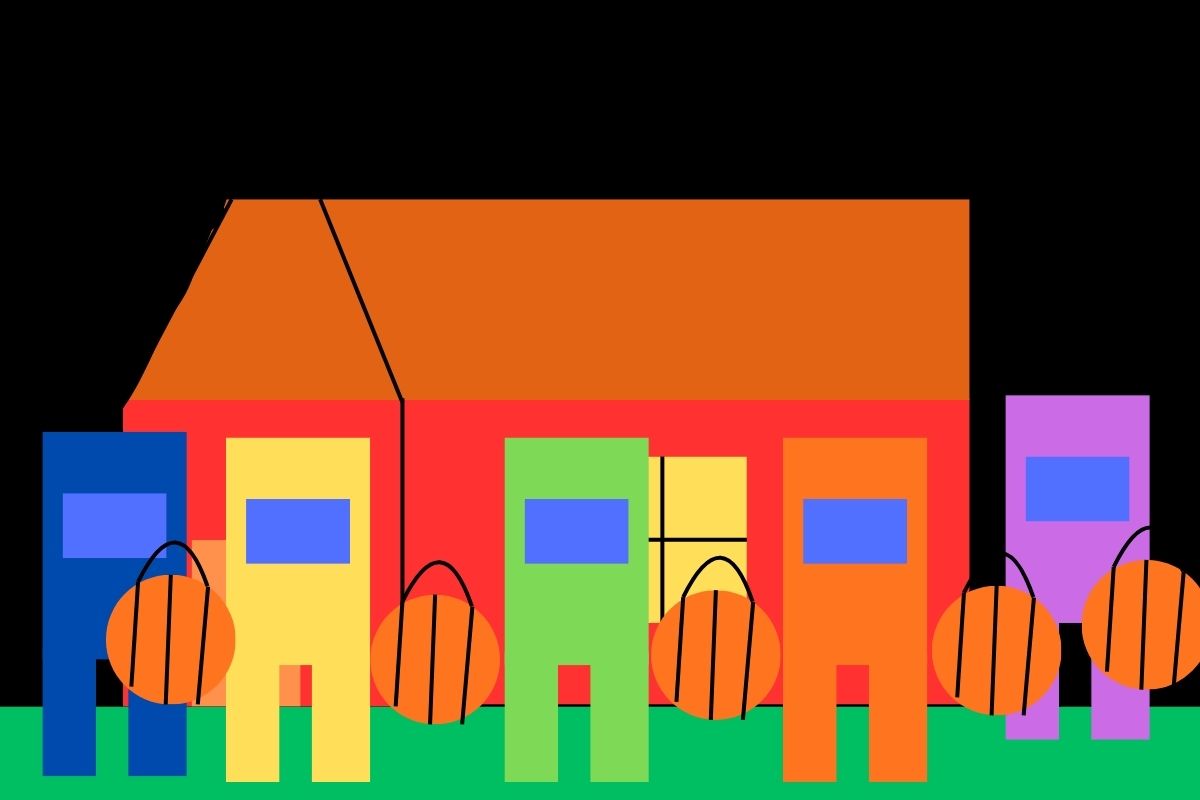
Among Us A Halloween Story Of Haunted House
it was a night of Halloween. all friends going to some treat, green says friends I think to go in that house, blue says ok we go to that house first. all friends go to that house and have some treat, they go to next house in the society, purple says this is the last…
RELATED POSTS
View all



Why You Feel Tired Trying to Impress Everyone — And How to Build Real Self-Worth (Step by Step)
December 1, 2025 | by vikas